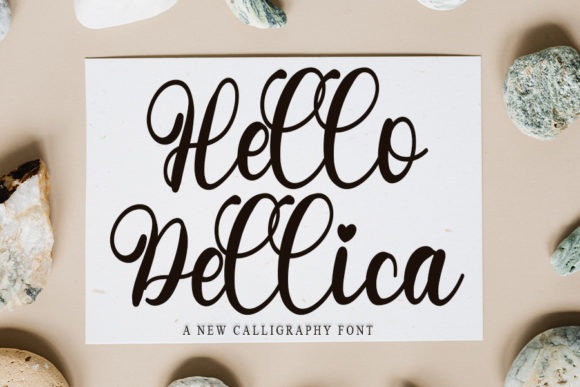
Ushey: A Delicate Script Font for Elegant Design
There I was, staring at a blank brand board, trying to figure out how to bring a soft, sophisticated vibe to a new café project. The client wanted something that felt warm and inviting, yet still had a touch of class. That’s when I pulled out Ushey, a lovely and delicate script font that exudes elegance and class.
From the first glance, Ushey caught my eye. Its flowing curves and gentle strokes gave it a refined feel, perfect for a space that aimed to be both welcoming and stylish. I started by testing it on a logo draft, and it immediately stood out. It wasn’t too ornate, but it had enough character to make an impression without overwhelming the design.
As I moved into the branding phase, I found that Ushey worked well as a headline font. It added a sense of movement and grace to the visual identity, making everything from menus to signage feel more cohesive. I paired it with a clean sans serif for body text, which created a nice contrast and kept the design from feeling too fussy.
One of the things I appreciated about Ushey was its versatility. It looked great on packaging mockups, where it added a personal touch to product labels. On social media graphics, it brought a sense of authenticity and creativity, especially when used in Instagram posts or promotional banners. I even tried it on a homepage hero section, where it helped set the tone for the entire site.
Ushey also proved to be a good fit for printed marketing materials. Whether it was a business card, flyer, or poster, the font maintained its clarity and charm. I noticed that it didn’t sacrifice readability, even at smaller sizes, which is a big plus for any designer working on tight layouts.
When working with clients, I always recommend testing a font before committing to it in a full brand system. With Ushey, I made sure to try it in different contexts—on shop signs, label stickers, and even merchandise like t-shirts and tote bags. Each time, it held up well and retained its unique personality.
Font pairing is another important consideration. I found that Ushey pairs beautifully with a classic serif font, creating a timeless look that feels both modern and traditional. It also works well with a minimalist sans serif, offering a balance between elegance and simplicity. For more creative projects, I’ve used it alongside handwritten fonts to add a personal, artisanal feel.
Another thing to consider is the range of styles and features included in Ushey. The font offers multiple weights and alternates, which gives designers more flexibility when working on different elements of a brand. It also includes ligatures and special characters, making it easier to create custom typographic effects without extra effort.
For commercial use, Ushey comes with a clear licensing agreement, which is essential for any designer working on client projects. I always check for multilingual support, and while I haven’t needed it for this particular project, it’s reassuring to know that the font can handle different languages if needed.
Throughout the process, I kept the client involved by showing them how Ushey would look in various applications. They loved how it brought a sense of refinement to their brand, and it became a key element in the overall design direction. It wasn’t just a font—it became part of the story they wanted to tell.
Whether you’re working on a café, boutique, or skincare brand, Ushey offers a fresh and elegant approach to typography. It’s a script font that doesn’t overwhelm, but instead adds a subtle touch of sophistication. For designers looking to elevate their work with a premium font, Ushey is definitely worth considering.
Ultimately, Ushey is more than just a typeface—it’s a tool that helps bring a brand’s personality to life. From the initial mockup to the final brand materials, it consistently delivers a beautiful and refreshing look that feels both authentic and professional.
As I wrapped up the project, I knew that Ushey had played a key role in shaping the visual identity. It wasn’t just about choosing a font; it was about finding the right voice for the brand. And in this case, Ushey spoke volumes.